
Installing Authentik for Authentication and Single-Sign-On
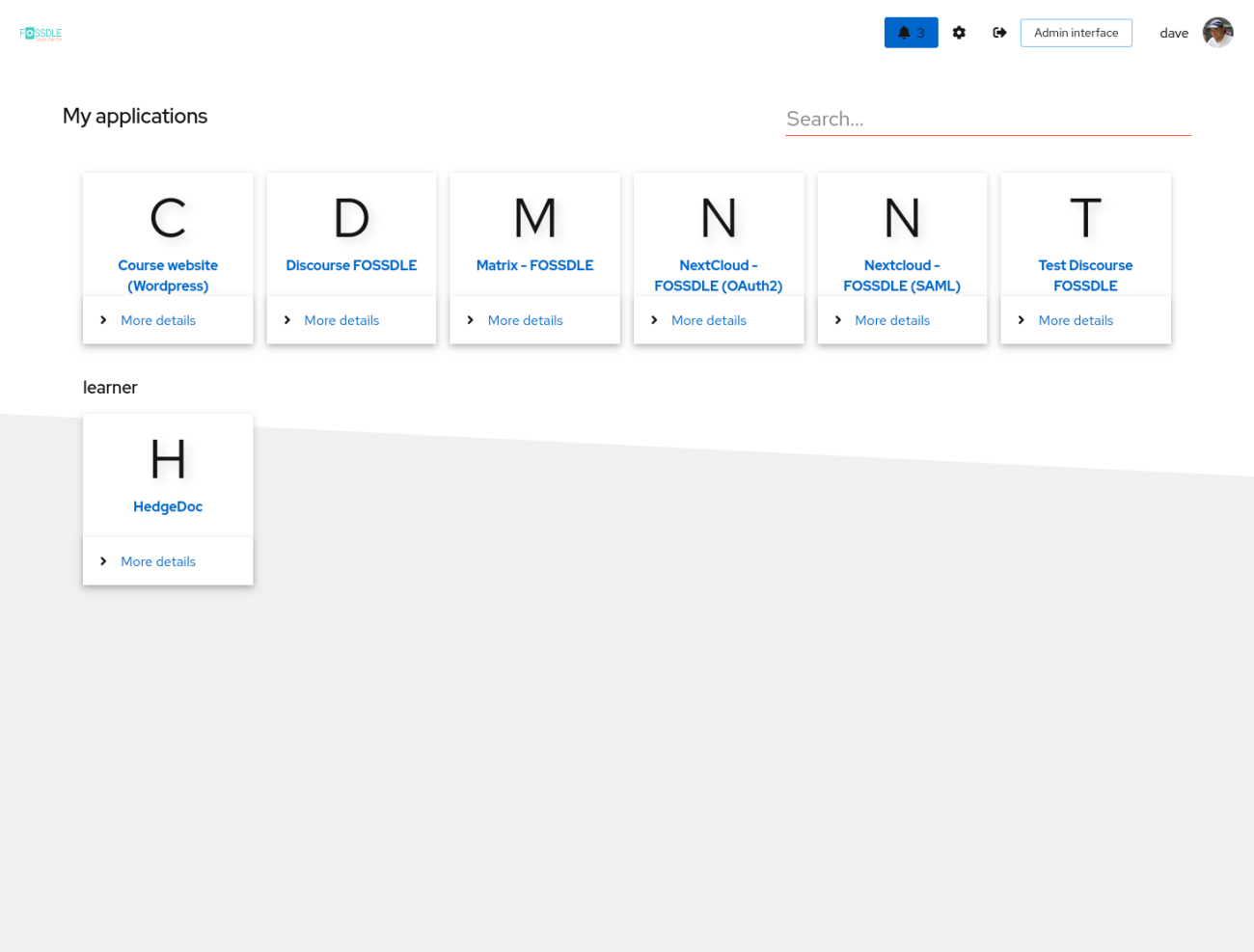
The OER Foundation offers many Free and Open Source Software services to our learners and educators to provide them with resources for learning, developing Open Educational Resources (OER), and collaborating - both professionally and socially - with one another. Due to this proliferation of 'point source' technologies, users have to create a myriad of user accounts, each requesting an email and password and perhaps a user name.
Install NextCloud Hub and OnlyOffice on Ubuntu 22.04 with Docker Compose
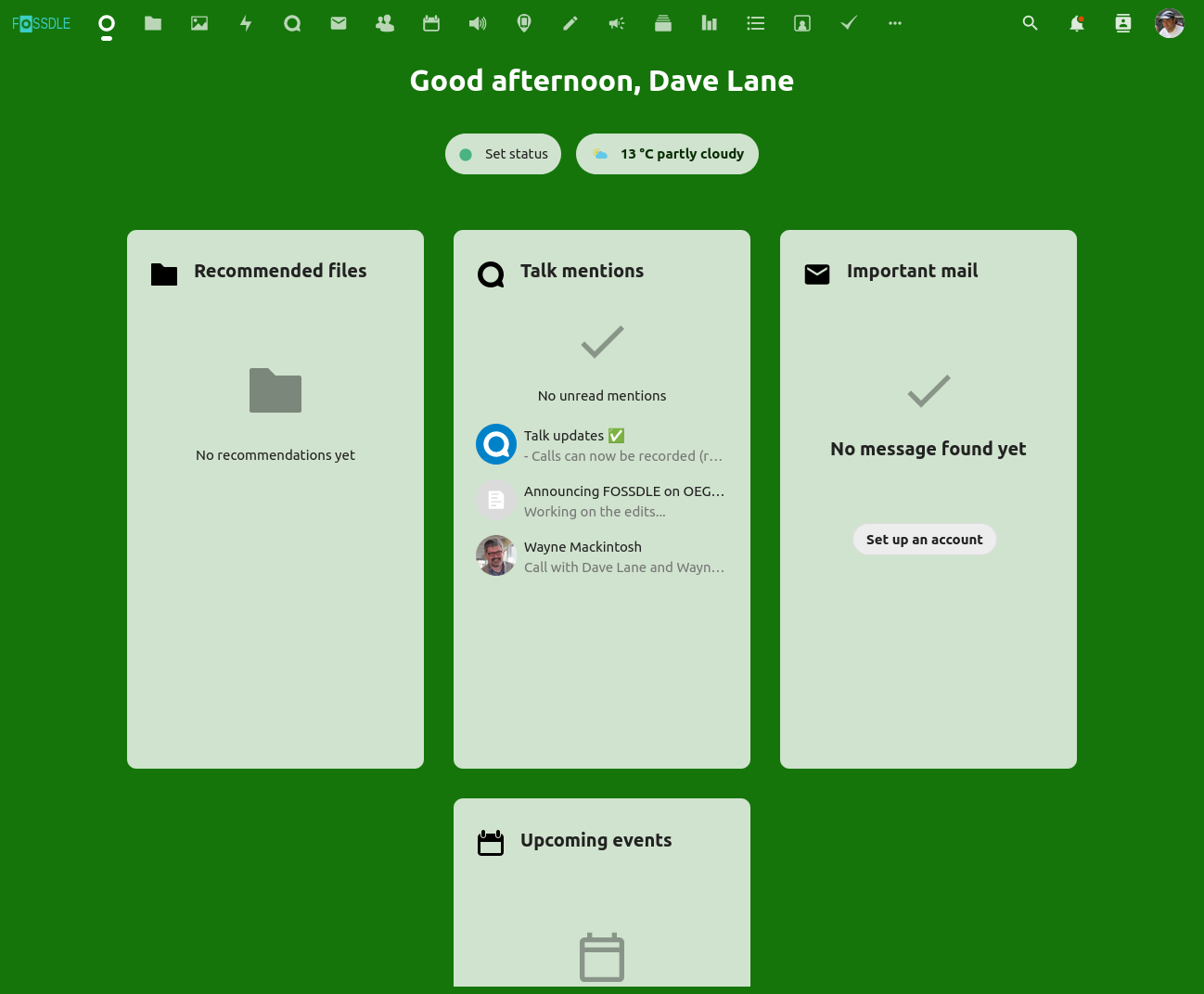
'''Update 2025-02-03:''' Here's a new tutorial for Ubuntu 24.04 and NextCloud 30! Consider this older tutorial obsolete (but possibly helpful for people with older systems).
Installing and Upgrading Moodle with Docker Compose on Ubuntu 22.04
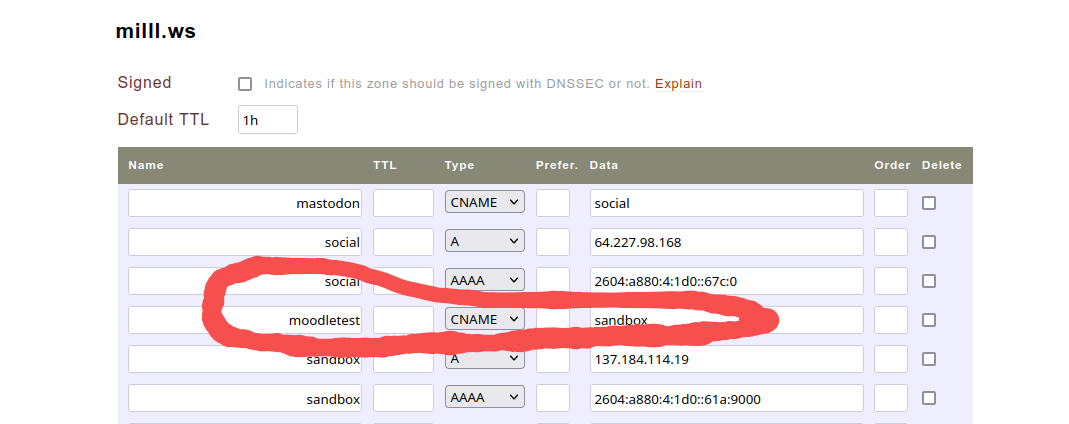
Note: work in progress
Moodle is probably (there's little agreement among the pundits) the market-leading Free and Open Source Software (FOSS) Learning Management System (LMS). It's pretty much everywhere. Here's how you can set up and maintain your own Moodle instance(s).
Installing BigBlueButton on an OERu Docker Server
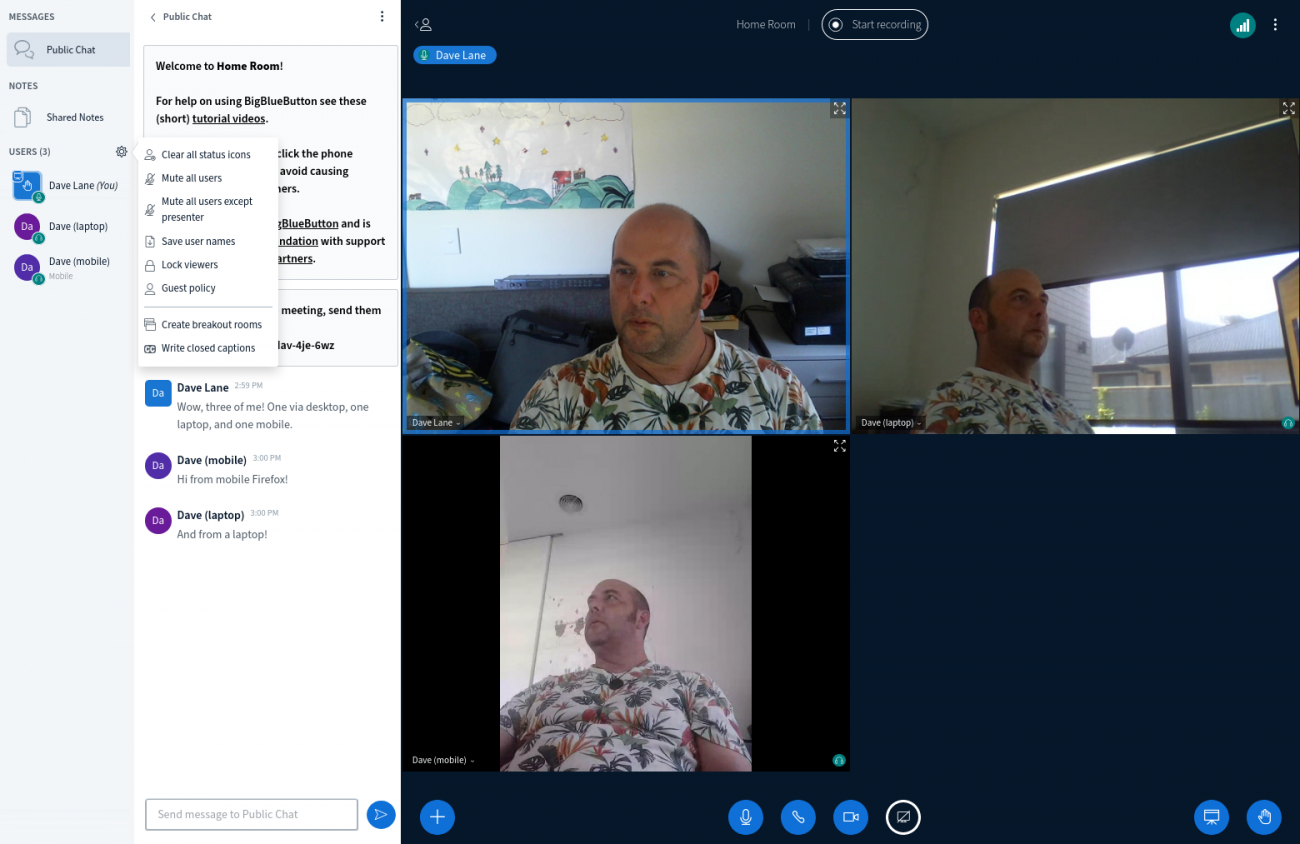
This tutorial was developed for the Samoan Knowledge Society Initiative, in which the OER Foundation is very pleased to be involved. (Update 2022-02-10: we have also created a video tutorial based on this written tutorial)
OERF FOSS Tech Hosting Conventions
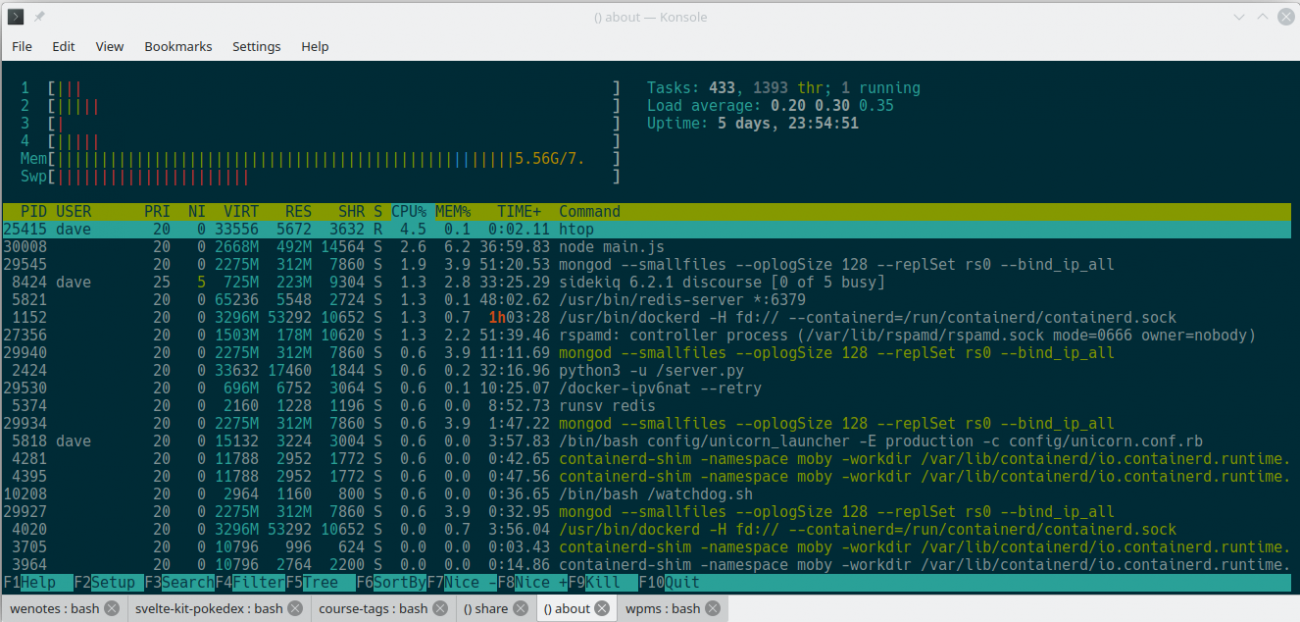
At the OER Foundation we host an array of Free and Open Source Software (FOSS) services. To keep things manageable, we have established a set of conventions to which we adhere, and I'm describing them here in case it's helpful to others who can either learn from, or improve on, our experience.
Building a Course Site with WordPress on Ubuntu 20.04 using Docker Compose

The OERu offers accredited tertiary (University level) courses to learners anywhere on the Internet, whether they are using desktop computers or mobile devices.
Installing NextCloud and Collabora Office Online with Docker on Ubuntu 16.04
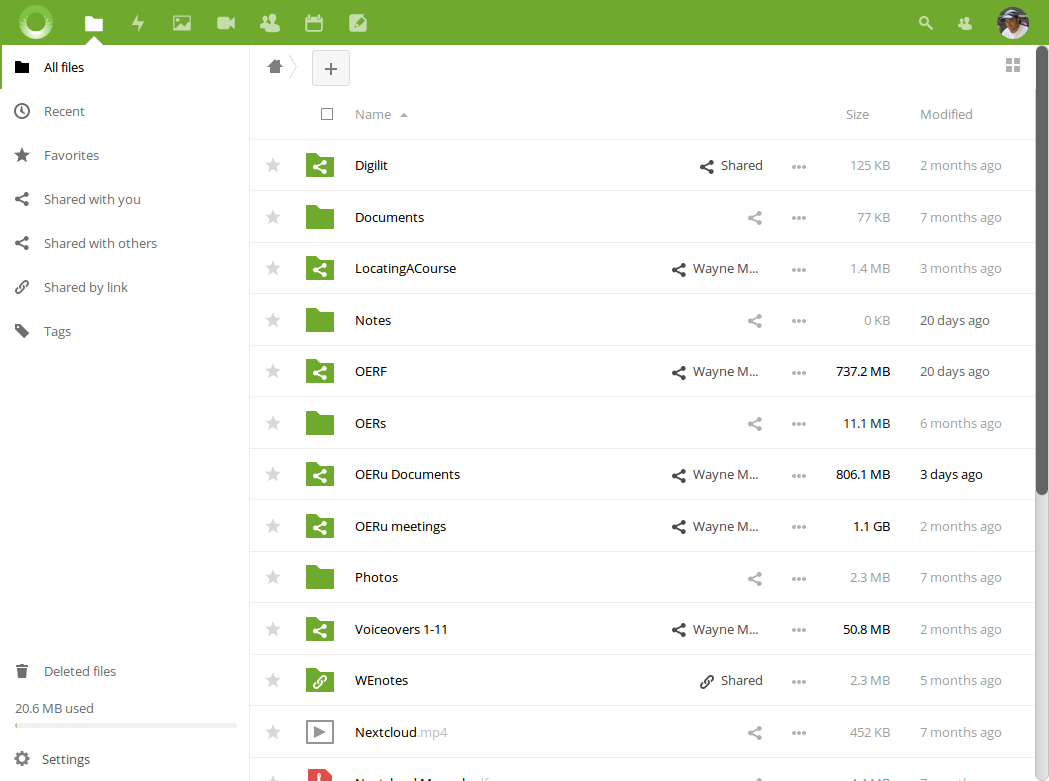
Update 2021-11-08: this post is now getting a bit long-in-the-tooth, and I need to update it to use up-to-date components. It might still be useful to folks, but use it with caution. Also, please note, we're using NextCloud with OnlyOffice (the open source community edition) these days. Update 2023-06-14: Here's a new tutorial for Ubuntu 22.04!
Installing Mastodon with Docker-Compose on Ubuntu 16.04
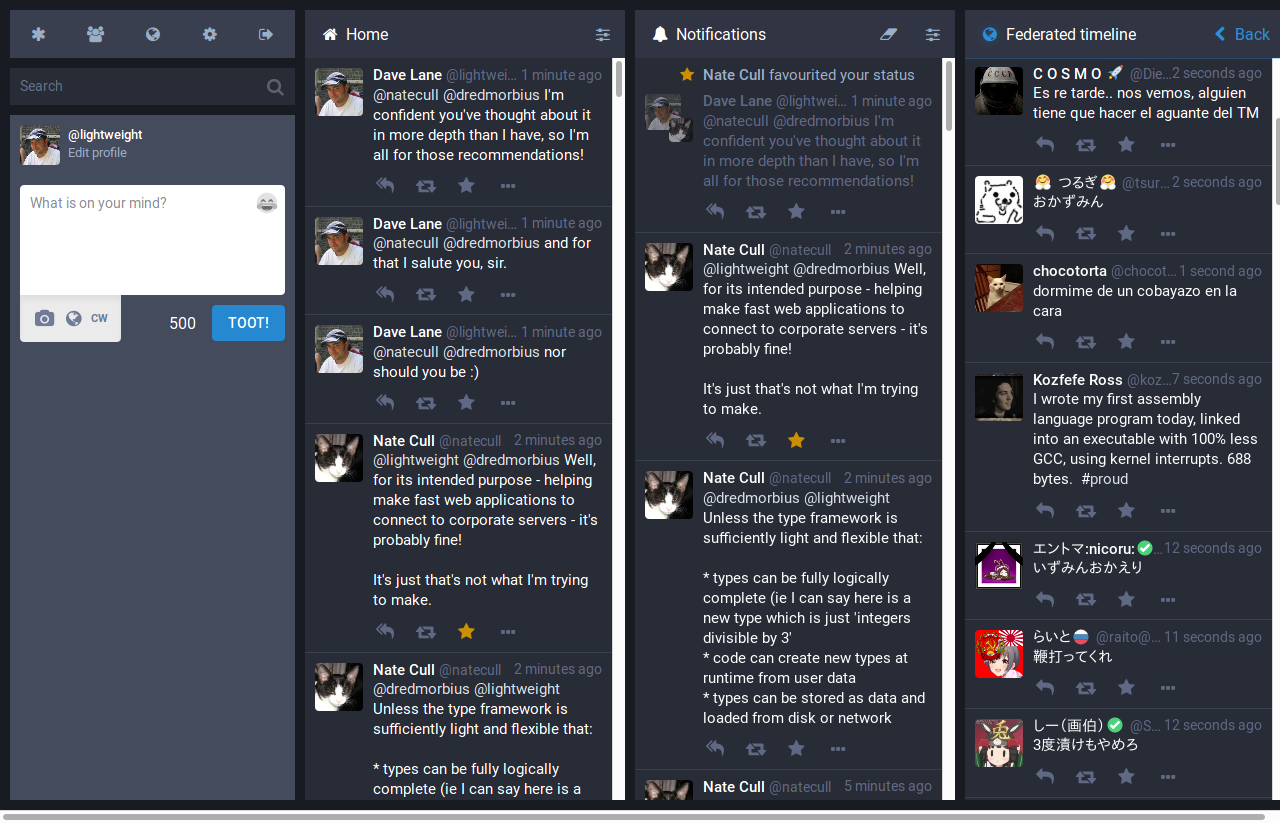
Not long ago, Mastodon, an open source, federated alternative to the proprietary network-effect wunderkind, Twitter, came out of no where.
Docker Compose: A better way to deploy Rocketchat, Wekan, and MongoDB
A few months back, I posted instructions on deploying Rocket.Chat and Wekan instances (and their mutual dependency, MongoDB) individually. Since then, I've spent some time with Docker Compose, a set of scripts which help you to define, build, and manage a set of Docker containers. Docker Compose is a thing of beauty. This is the way I now deploy Rocket.Chat, Wekan, and MongoDB together.